
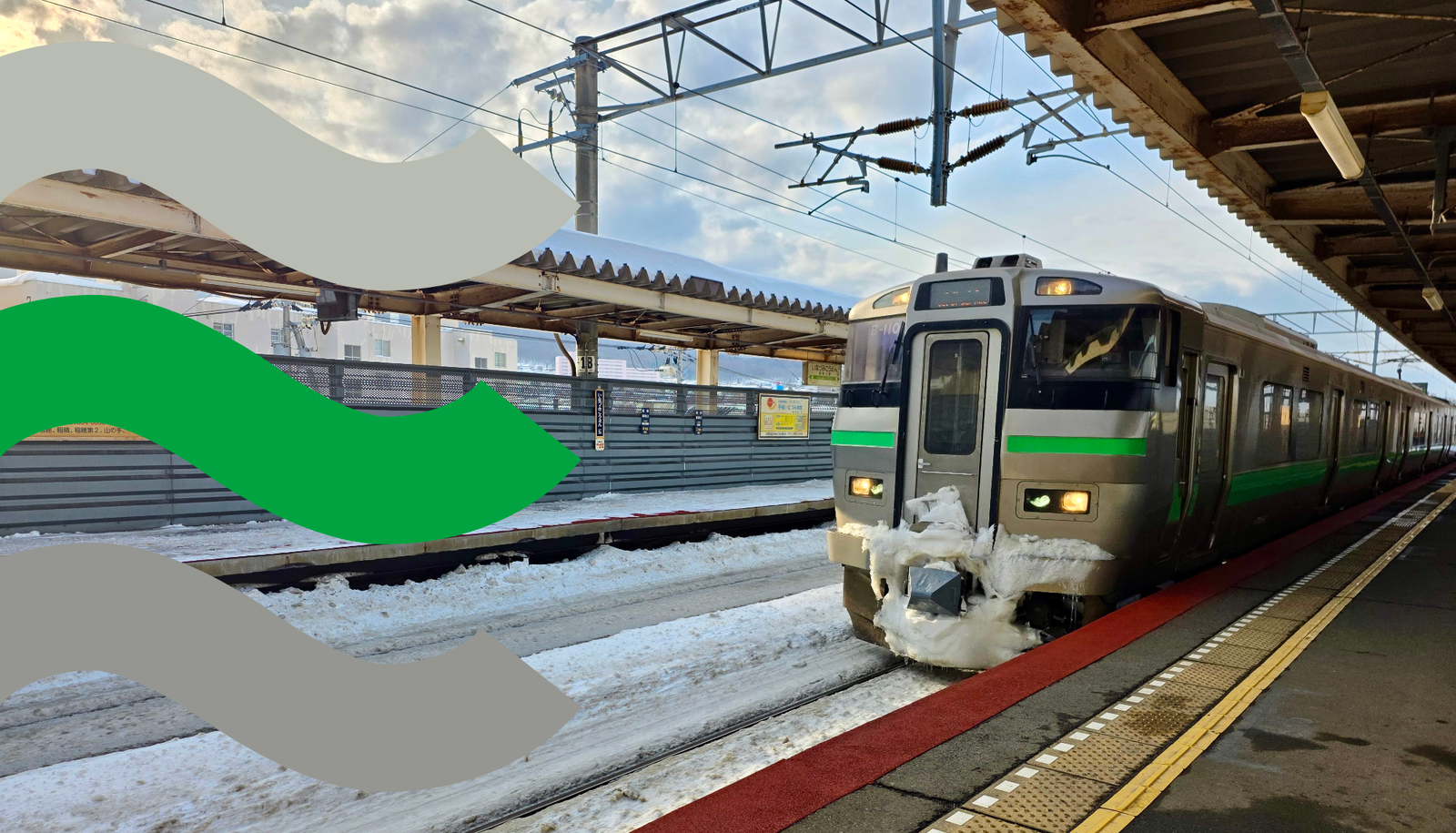
Traveling around Japan as a tourist may seem daunting at first.
A foreign language (こんにちは!) ✅
The busiest stations in the world ✅
Attractions spread across its 47 prefectures ✅
It may all seem a bit overwhelming but…fear not! Japan has one of the most extensive and effective transport systems in the world and, as long as you know the basics, one of the easiest too. Here are my top tips for getting around Japan.
IC CardS & e-sims
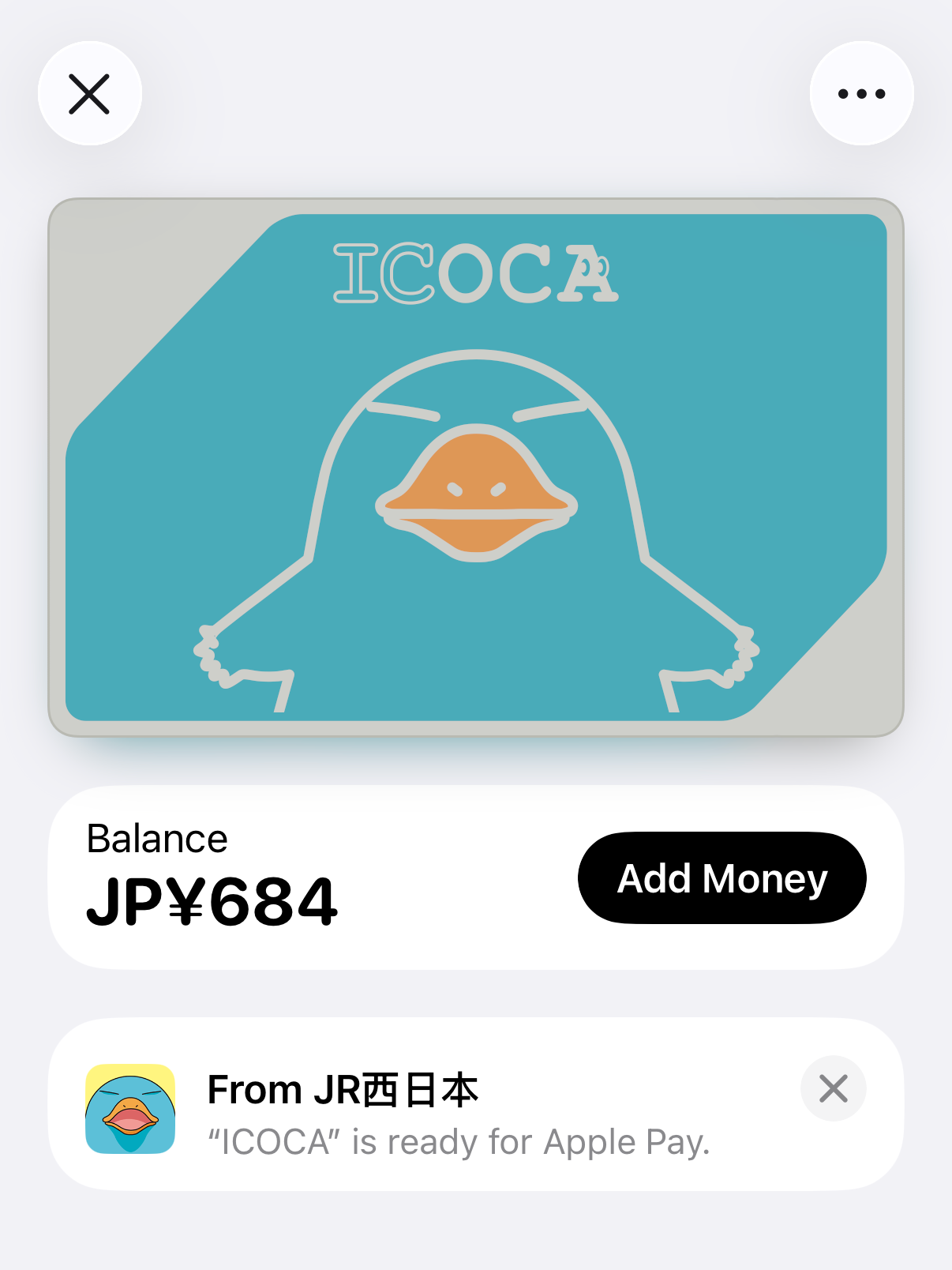
The first thing I’d recommend anyone traveling to Japan should get is an IC Card. These clever top up cards can be used on public transport to pay for many of your journeys in and around the major cities. Each area and company has a different brand like ICOCA in the Kansai region or Suica and Passmo in Tokyo.
What’s great about them is even if you picked up one in Tokyo you can still use it when you get to Osaka or another major city. They can also be used to make journeys with different transport companies – something that will happen often as you travel around the larger cities.

They can also be used in convenience stores and cafes, and at vending machines across the country – so if you’re short on cash you can use the IC Card where you see the logo above. They can be topped up at stations, convenience stores or directly on your phone if you’re using a mobile version. Talking of mobile, I’d also recommend getting an eSIM if your phone is compatible. Getting internet abroad has never been cheaper and I’d recommend Global Yo for the best value. Having access to the internet to plan your journey using Google Maps or order a taxi is a must. It’s also much cheaper than renting a WiFi hotspot, something Japan was always ahead of the game with.
Which IC Card?
There are two options you should consider
- Welcome Suica – A temporary tourist card that lasts 28 days, available as a physical card or on compatible iPhones. No card deposit is required, saving you 500 yen. Can be bought using the iPhone App or picked up at various locations in the Tokyo area including Haneda and Narita airport. It has additional tourist promotions available to make your sightseeing even cheaper. You must use up any money left on the card before you leave Japan. Find out more here.
- Local IC Cards – You can also pick up a traditional IC Card from most major airports and stations or add to your Apple Wallet on iPhone anytime (sorry Android users, most devices sold outside of Japan can’t use IC Cards). Physical cards require a ¥500 (about £2.40) deposit when getting one for the first time, but you can get this and any money left on the card back at the end of your trip (provided you are leaving from the same region it was issued in). These cards don’t expire for 10 years, so if you’re heading back to Japan you can always use it again!
Japan is also adopting the use of contactless card payments like we have in London or south Wales using your debt or credit card. Whilst this is rolling out, I’d stick with IC Cards to avoid surprise charges.
Rail Passes
Chances are you will have heard of the Japan Rail Pass, a single ticket that lets you travel around the whole of Japan. However, it’s not the only rail pass available and there might be a cheaper one that’s perfect for you.
- Japan Rail Pass – The national pass that can be used on all JR Lines across Japan
- Perfect for those who are planning to visit lots of far-apart destinations over a seven-day period on the Shinkansen. Use if you are traveling from Tokyo to other large cites multiple times.
- Not so great for those looking to stay more local or only use a few trains, due to its high price.
- JR East Pass – Covering Tokyo and areas to the north and east like Niigata, Sendai and Aomori
- Visiting Niigata in winter or the eastern coast? This pass is much cheaper than the Japan Rail Pass but still gives you access to Shinkansen and cities off the beaten track.
- JR West Passes – JR West has a number of different passes depending on how far you want to explore in and around the Osaka / Kyoto area
- Huge choice of passes to get best value out of your trip.
- Could be confusing to find the right one if you’re unfamiliar with the area.
- Other local Passes – Each of the JR companies offer different passes for thier areas so look on the sites of JR East, West, Central, Kyushu, Shikoku and Hokkaido for the best match.
traveling by rail
If you are not going to be traveling more than one city away it may be cheaper to book a standard fare. For example, a round trip to Osaka from Tokyo costs around £120 (March 2026), whilst the seven-day rail pass costs around £250. When traveling by Shinkansen, also note that the fastest services (like the Nozomi to the west) do not accept rail passes, so check your ticket information for any restrictions.
Reserving seats is always a good idea too, you can do this at self-service vending machines in train stations, at ticket counters or using the Smart EX website.

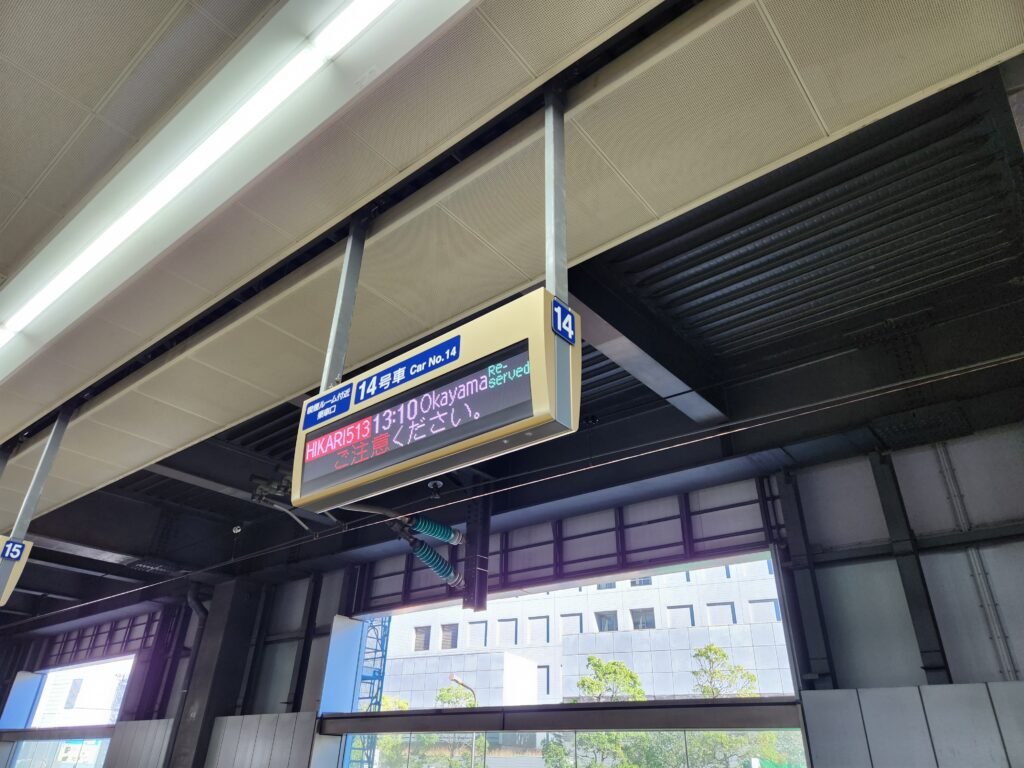
Also note that there are many different operators in Japan. You must check if your pass is valid on those services. As a rule, if your pass is green and says ‘JR’, you can only use JR services. That’s why if you’re sticking to just one city, I’d advise using an IC Card to get around instead as it can be used on most operators’ services.
Domestic Flights
For longer journeys to places like Sapporo or Kagoshima from Tokyo or Osaka, a domestic flight might be the better option. They can be cheaper than the Shinkansen and quicker on some routes. Domestic air travel in Japan is dominated by the two national carriers, and their low cost subsidiaries: JAL (Japan Airlines) and ANA (All Nippon Airways). Most airports are connected by both and fares are competitive with those in Europe if you book ahead. The rules are different and it can be daunting with all the fare categories. Ask your travel agent for help picking up the right option.
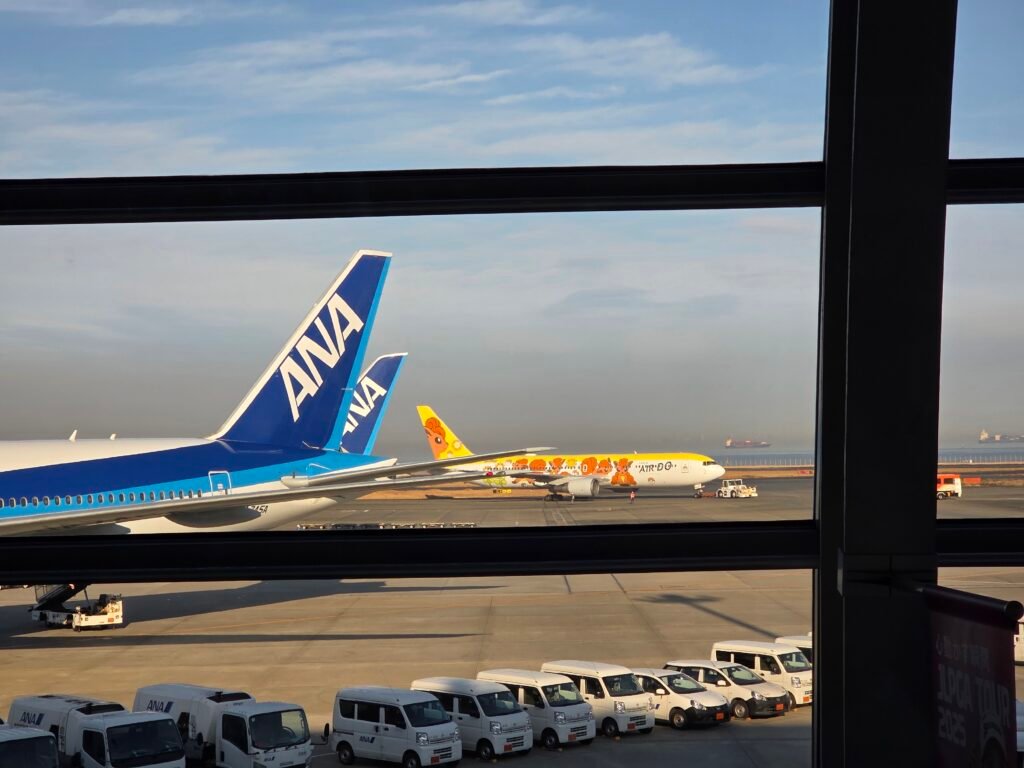
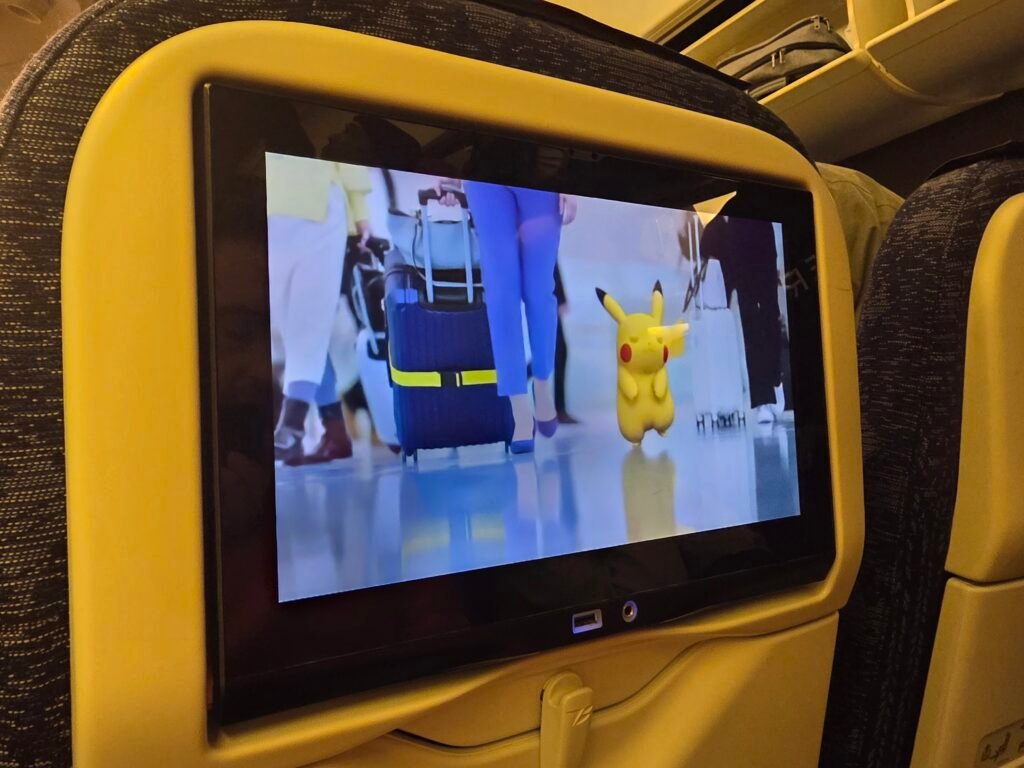
Each of the major cities has a domestic-focused airport. In Tokyo, it’s Haneda airport, with two terminals focused on those domestic flights. In Osaka, it’s Itami airport. Both are closer to the city than their international counterparts, Narita and Kansai, although some domestics flights do operate from those too.
Getting around the city
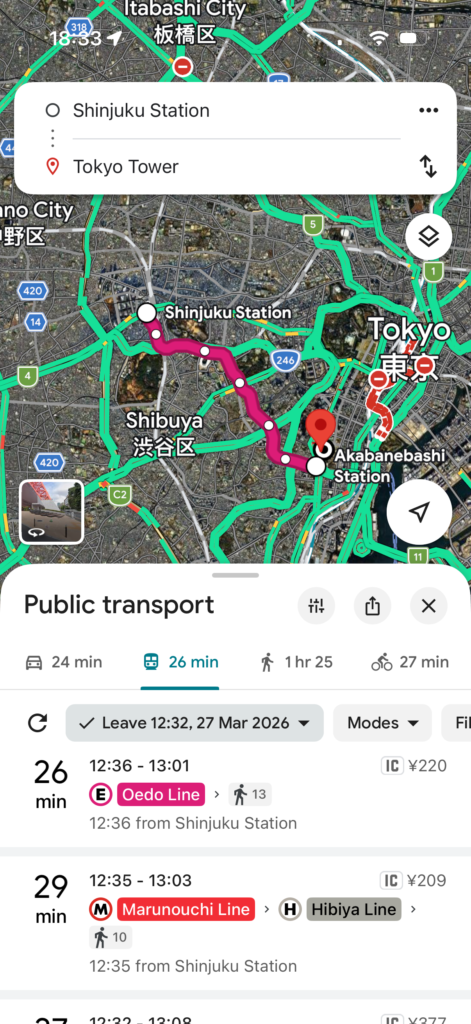
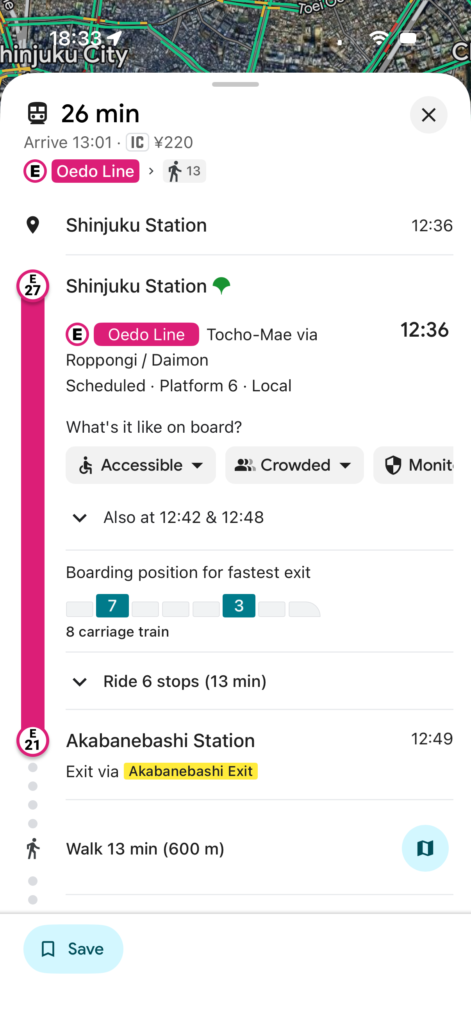
Each of the major cities has a comprehensive public transport network – all made easy thanks to your IC Card and Google Maps. When searching how to get around, select public transport. It will show you which routes to take, the cost in yen and if an IC Card is usable (which in most cases it is). On the off chance a provider doesn’t accept IC Card, have a few hundred yen in coins ready, especially if venturing to smaller towns.
Japanese stations may seem overwhelming: they are busier than most in the UK but all tend to all have bilingual signage. If you use Google Maps, it will also tell you which exit to use to get to your destination. Most of the subway lines have mobile data in the tunnels to so you won’t get caught out there.
Please observe the local customs when it comes to using the services: no feet on chairs, no loud conversations on or off your phone and no eating or drinking if it’s a subway. Rule of thumb: if the seat has a table, you’re welcome to eat.
At night, the subway system closes, so if you’re out late you may be scrambling to get to get the last train home. Don’t panic though, taxis and ride sharing are easy, again thanks to apps like Uber – use the same way you do back home or the local Go Taxi app that links you with local taxi services where Uber is unavailable. I find Go Taxi to be the better option.
Ready?
Japan is easy to explore with a little bit of planning. If you need any help creating and booking that perfect land tour, including rail passes, domestic flights and hotels, drop me a message using the link below!